State legislature fails to prioritize Tribal post-pandemic needs
The 2021 Arizona legislative session was historic, not only in terms of its length, but also in the largest permanent tax cuts in three decades. For thirty years, continuous tax cuts have contributed to the systemic divestment in public resources and infrastructure, particularly impacting Arizona’s tribal members and communities. These impacts can be seen through concentrated poverty levels and unemployment rates twice the statewide average.
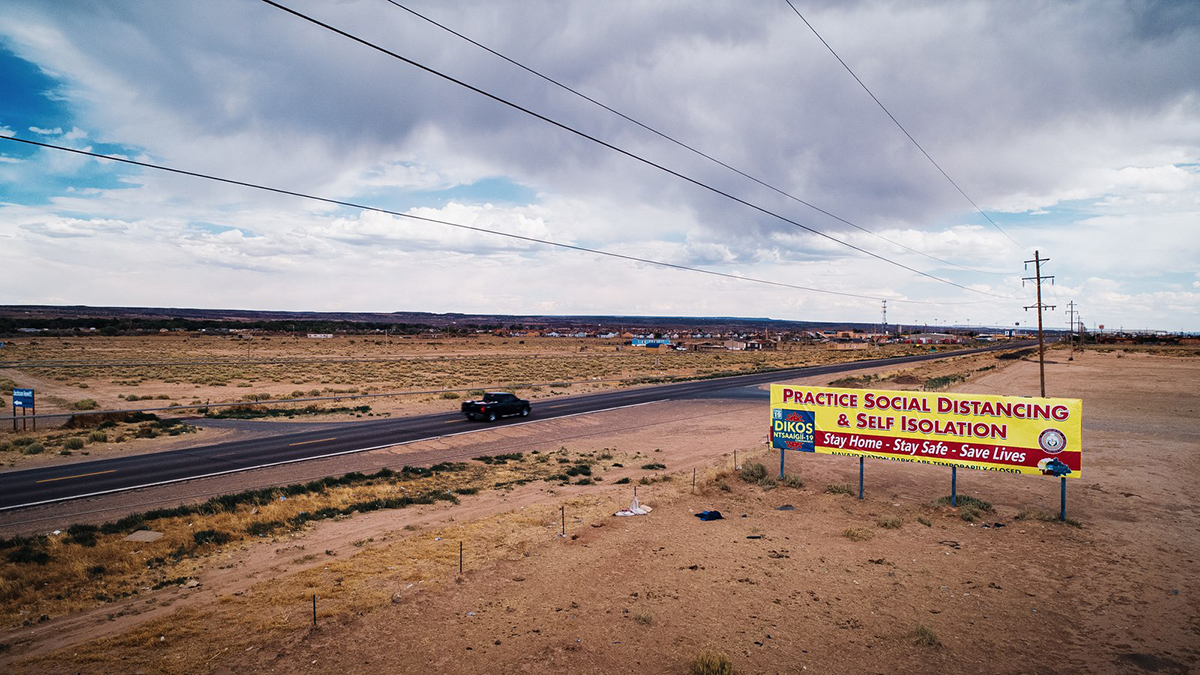
As hundreds of thousands of Arizonans felt the impact of COVID-19, our Arizona tribal nations were disproportionately impacted due to the compounding effects of preexisting inequities within state and health infrastructure. Most notably the per capita COVID-19 infection rates in the Navajo Nation at its peak outpaced hot spots like New York City. Limited health services, broken infrastructure, inconsistent access to water and electricity, and above-average rates of immunocompromising diseases all increased the vulnerability of outbreaks in Arizona’s tribal communities. As Arizona emerges from the economic and health crisis of COVID-19, Arizona tribes are slower to recover. Tourism and hospitality sectors were gravely impacted, leaving many tribal nations and members with reduced incomes and insufficient economic opportunities for recovery.
Each year state elected officials and tribal leaders introduce bills focused on increasing short- and long-term investments in Indian Country. This year Governor Ducey and state legislators could have leveraged a nearly $2 billion surplus to address the chronic underfunding in rural and tribal communities across the state, but instead chose to cut taxes for Arizona’s highest income earners.
This session included proposal for much-needed investments in tribal senior citizen services, upgrades to unsafe roads and water ways, veteran housing, new pathways to higher education, expanded health care resources and services, and many other priorities for Arizona’s tribal members. Despite the small fiscal impact, not one of the proposed legislations with a tribal appropriation was included in this year’s state budget.
As Arizona’s first inhabitants and stewards of the land, Arizona tribal members deserve a state government that adequately responds to their needs by creating sustainable and reliable funding revenues and new investments. This year’s state budget and tax cuts are prime examples of the continued disinvestment in tribal members and their communities and the failure to support the priorities of tribal leaders.
Arizona Center for Economic Progress is committed to advancing policies that create fairer tax codes which raise the revenue needed to properly invest in education, affordable housing, health care, infrastructure, and other support services to build thriving communities and better economic opportunities for all Arizonans. Our tribal policy work aims to elevate the voices of tribal leaders and inform policymakers on how state tax and budget decisions can strengthen Arizona’s tribal communities.
To learn more about the AZCenter’s Tribal policy work please contact Cora Tso, Tribal Policy Fellow.
Photo/U.S. Department of Veterans Affairs